Trending

A park bench looks like a simple purchase. Four legs, a seat, somewhere to rest. Then it arrives, gets bolted down, and within two seasons the timber has turned green, the fixings have worked loose and someone has carved initials into the backrest. Most of the expensive mistakes made when buying a bench for a public or community garden happen before the order is placed, not after.
The bench that looks perfect in a catalogue photo is often designed for a private garden, where it is used gently by the same few people. A public bench has to cope with weather, wet dogs, scooters, litter, and occasionally deliberate damage. Weight matters: a bench light enough for two people to lift onto a trailer is a bench that can disappear overnight.
Read the specification, not the photograph:
Vandal resistance is not only about strength. A bench that is awkward to damage, cheap to repair and dull to deface will usually outlast a heavier one covered in ornate cast details.
Most benches fail from the bottom up. Feet sitting in wet soil rot or rust first, long before the seat shows any wear. A few practical points go a long way:
Also think about heat. A dark, unshaded metal bench in a south-facing spot can become uncomfortable to sit on in summer, which is exactly when you want it used.
A bench that only suits a fit adult is a bench that excludes a good share of the people the garden was created for. Getting this right is mostly about details that cost little at the buying stage and are awkward to correct later.
If the garden is open to the public or has received grant funding, formal accessibility requirements may apply. Check with your local authority access officer or an access consultant before you order, rather than after installation.
Every bench has a maintenance cost, including the ones sold as maintenance-free. Timber needs oiling or repainting on a schedule. Powder coating chips and needs touching in before rust creeps underneath. Fixings need checking once a year, particularly after a hard winter.
Keep a note of the model, supplier and fixing sizes somewhere the whole committee can find it. Buying three of the same bench is usually wiser than buying three different ones, even if the mixed set looks more interesting on paper.
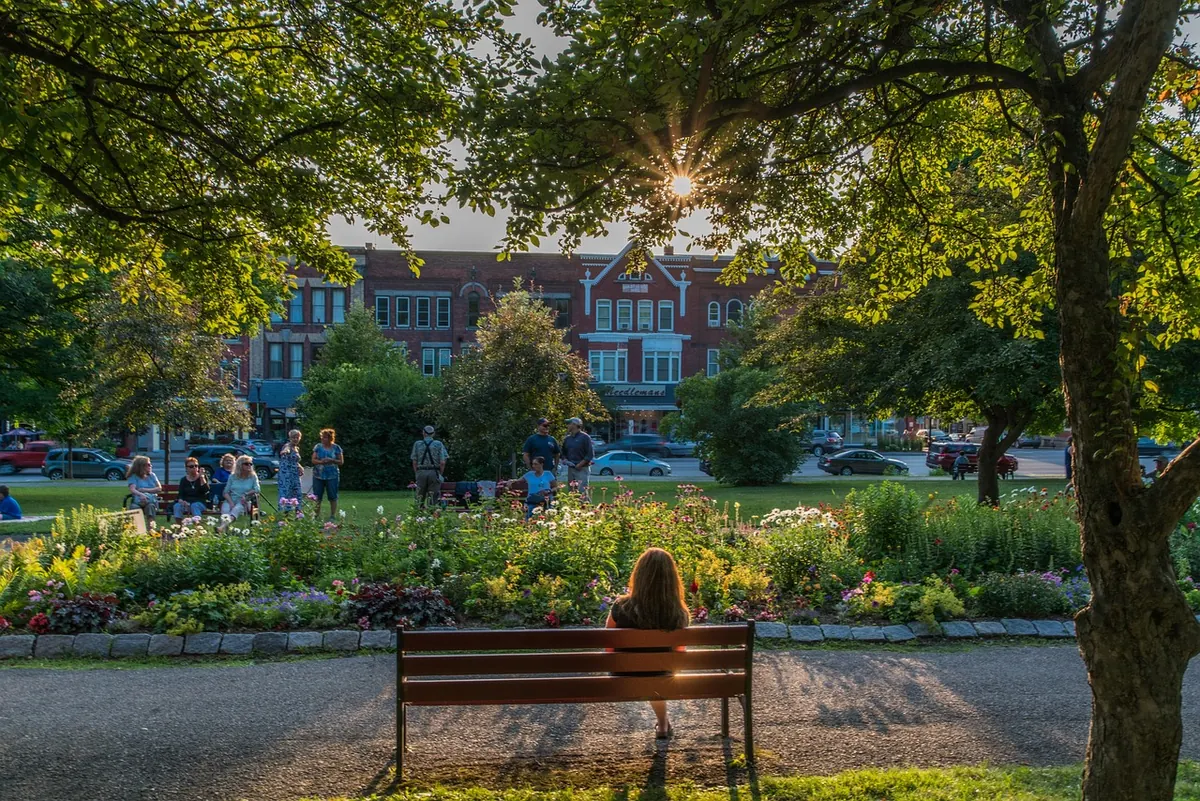
Placement decides whether a bench is used or ignored. A seat in full sun with no shade is pleasant in April and unbearable in July. One under a dripping tree will be streaked within a year. One facing a hedge, a bin or a blank wall gives nobody a reason to stop.
Watch the site at different times of day before you commit. Where does the sun fall in the afternoon? Where does water gather after heavy rain? Is there a route through the garden that people naturally take, and does the bench sit beside it or block it? Keep clear of tree roots, leave room for the mower, and avoid the windiest corner. Footings should be set deep enough to resist frost and lifting; ground conditions vary, so take local advice if you are unsure. And fix the bench down properly. A wobbling bench is not only uncomfortable, it is a liability.
Committees often choose benches in a meeting and are surprised by who turns up to sit on them. Ask the garden's regulars first. Parents waiting at school pick-up, teenagers after the bell, lunchtime walkers and older residents on their morning circuit all want different things: a place to perch for five minutes, a place to talk for an hour, somewhere with a view, somewhere with company.
Two or three benches arranged to face each other, or angled slightly, tend to be used far more than a single bench in isolation. Think about sightlines and lighting too. A bench tucked out of sight in a dark corner will attract uses the garden did not plan for, and it will be the first thing to be damaged. A litter bin nearby saves a great deal of tidying up.
A bench chosen carefully will sit in the same spot for twenty years, quietly doing its job. Get the details right at the buying stage and it becomes one of the cheapest, most appreciated things your garden ever installs.
Photo: Michelle-Maria / Pixabay